
Trading & Technical Analysis Guides
Practical frameworks for understanding market structure, technical analysis, risk and the concepts used throughout WOI.
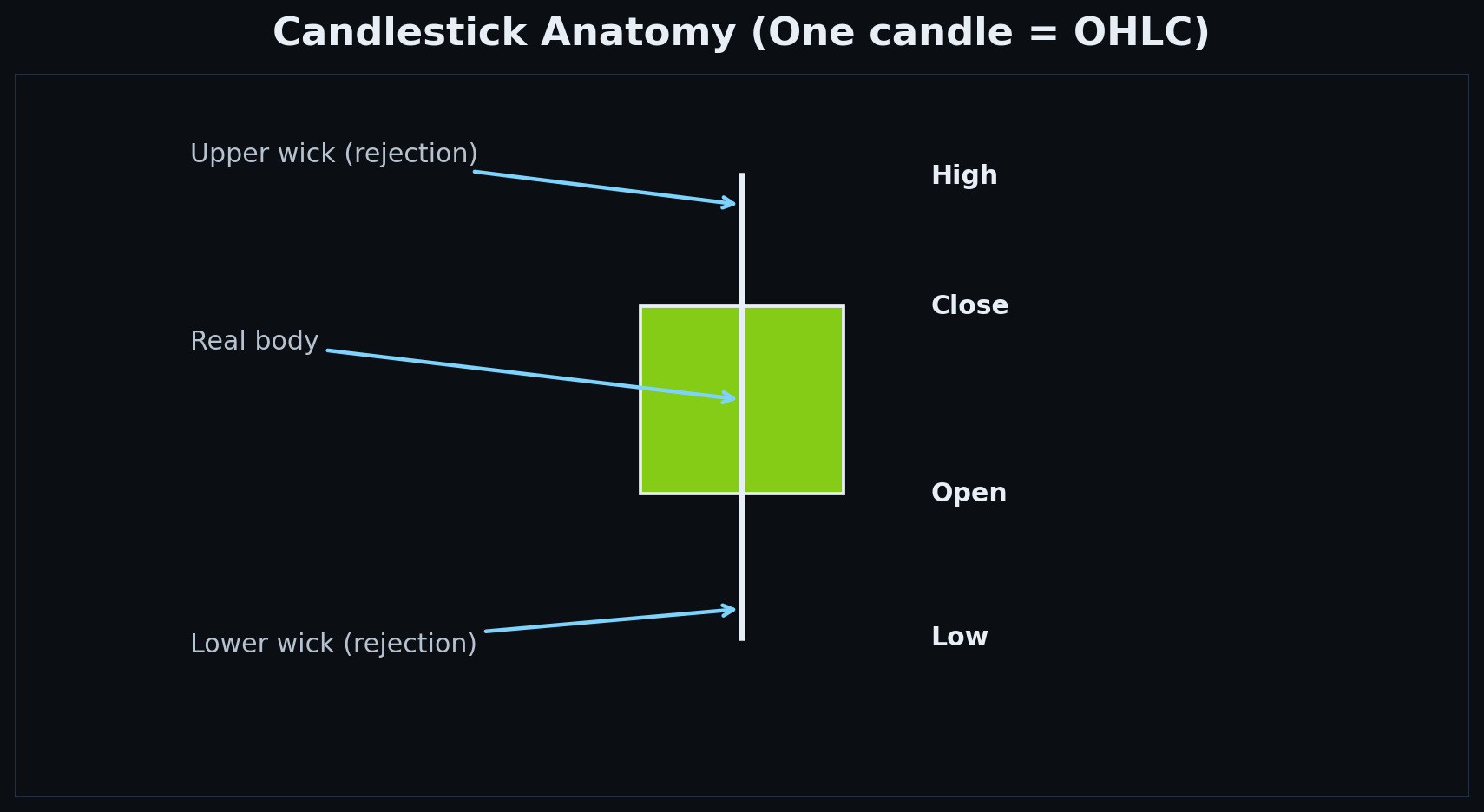
Technical Analysis Basics — A Practical Framework
A trader-grade framework for reading charts through structure, levels, confirmation and risk management.
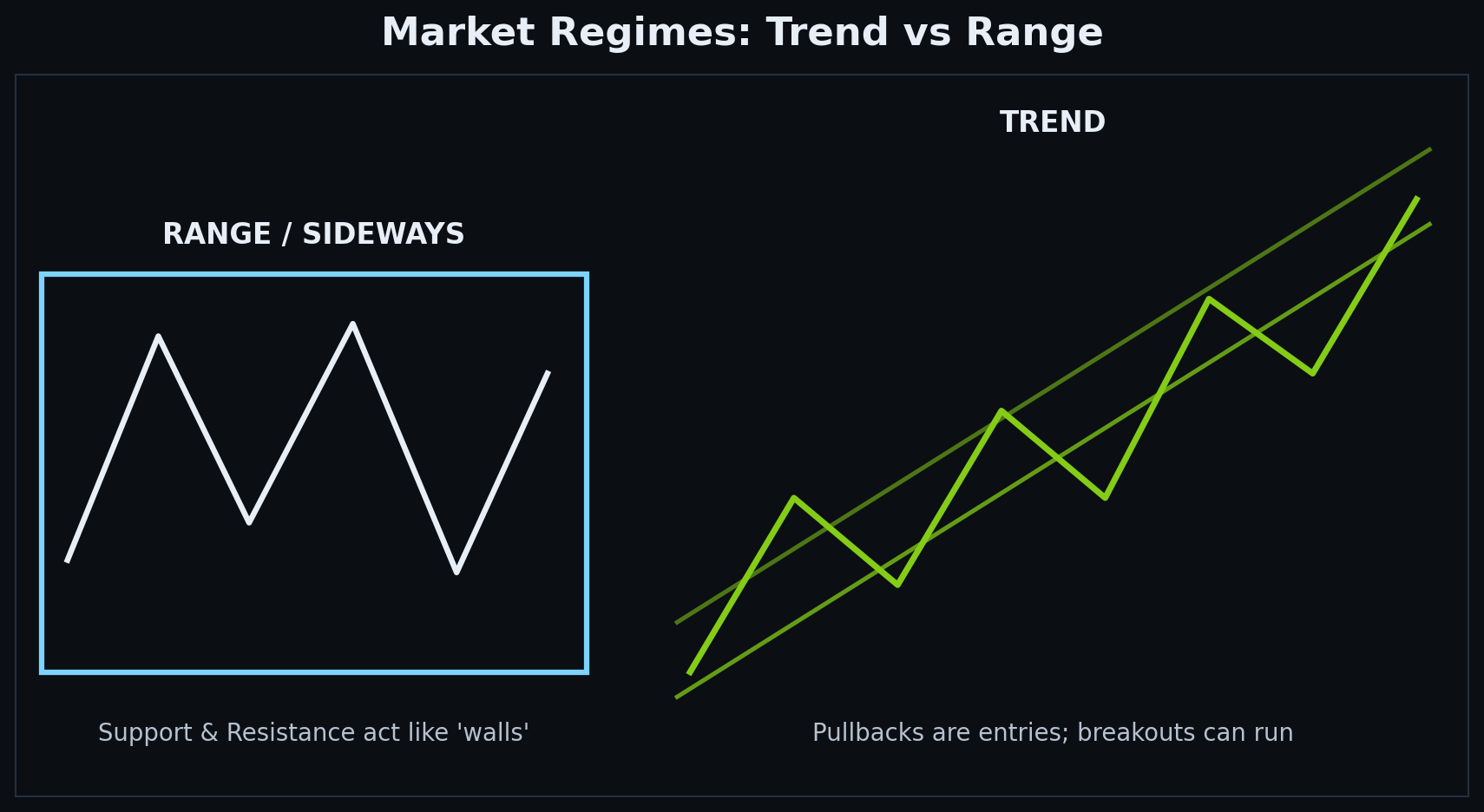
Market Regimes — Trend vs Range
Understanding whether the market is trending or ranging is one of the most important trading skills.
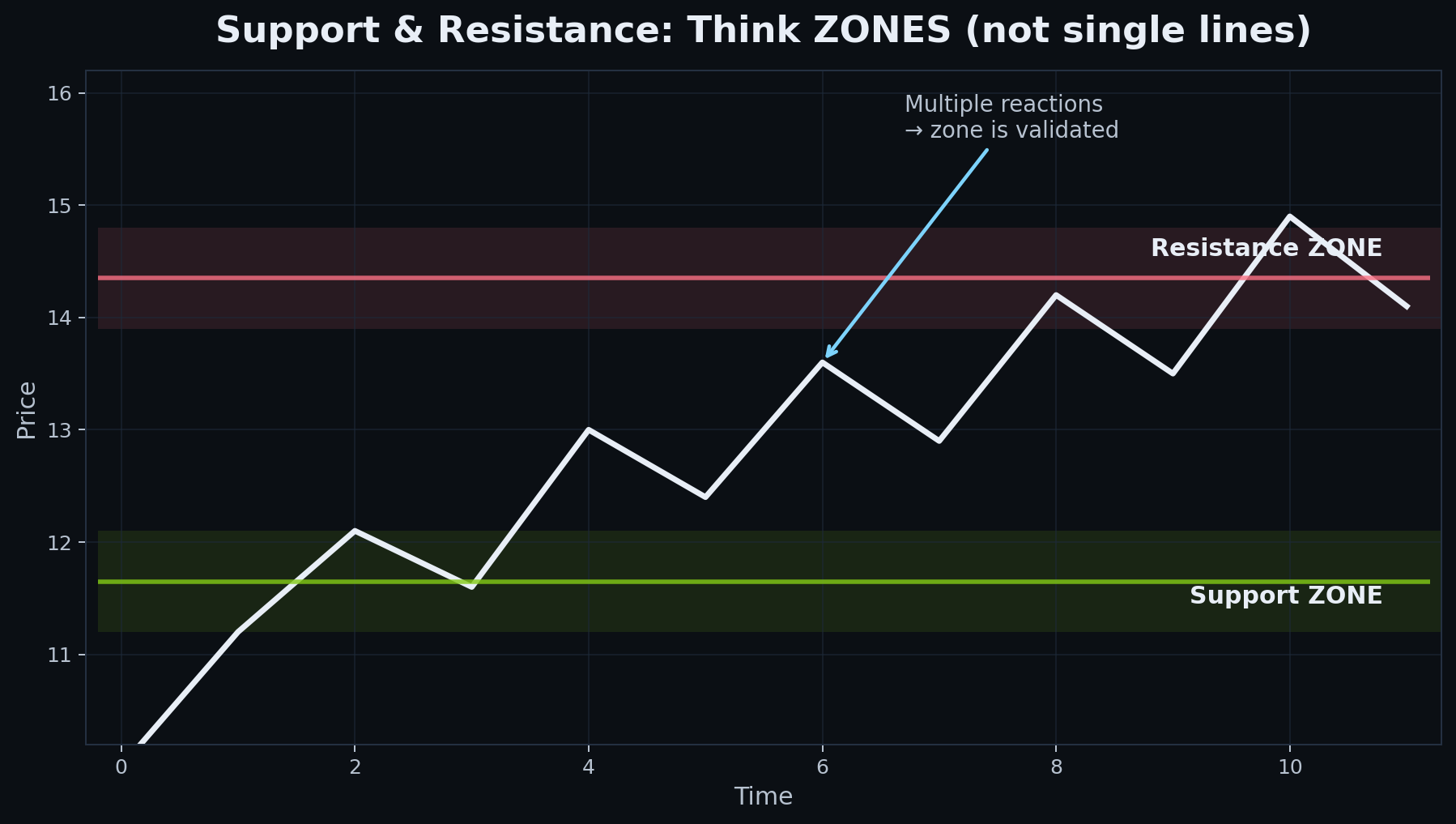
Support and Resistance — Zones, Not Lines
Understanding how price reacts around important levels and why zones are more useful than exact prices.
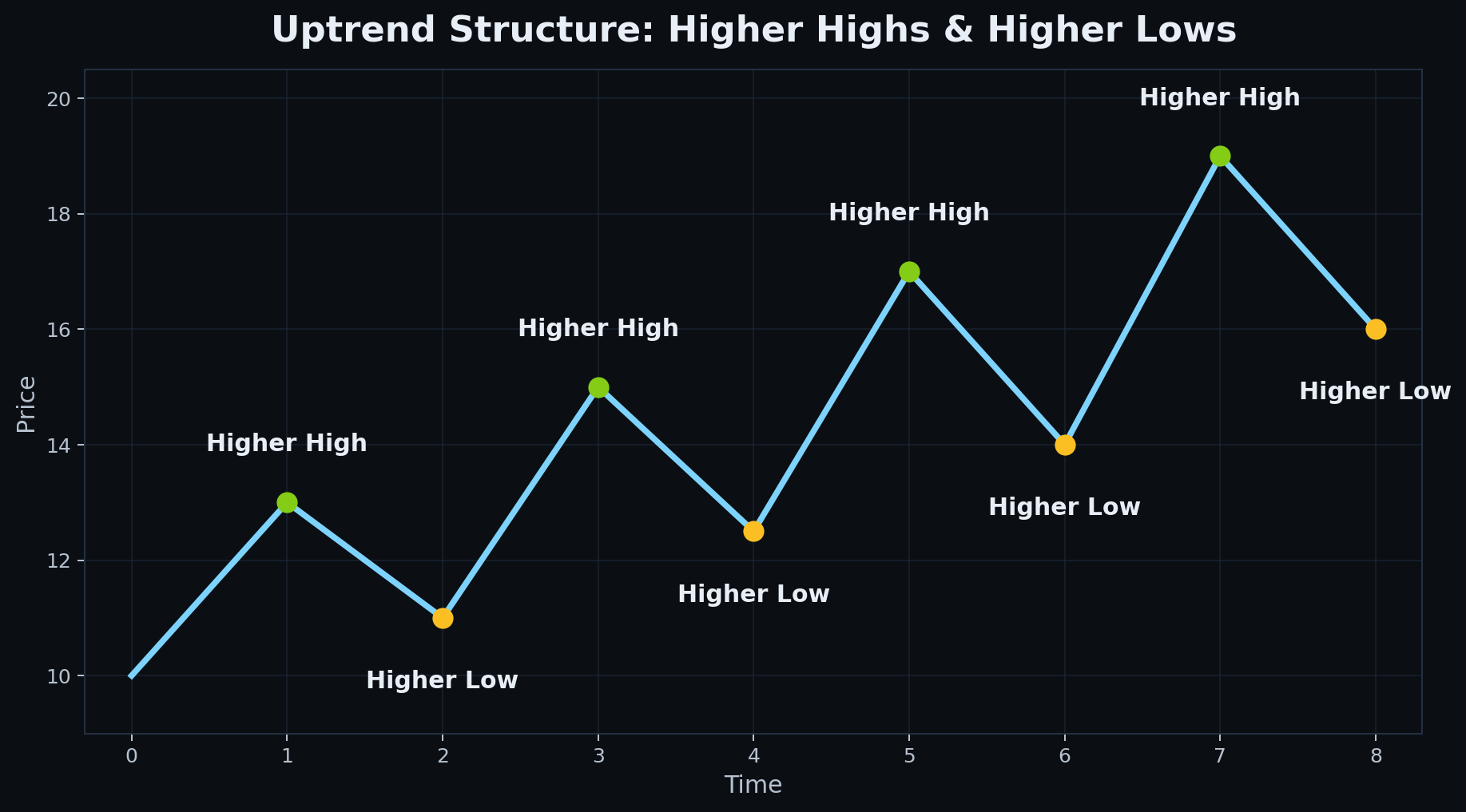
Trendlines and Market Structure
How to read higher highs, higher lows and draw trendlines that reflect real structure.
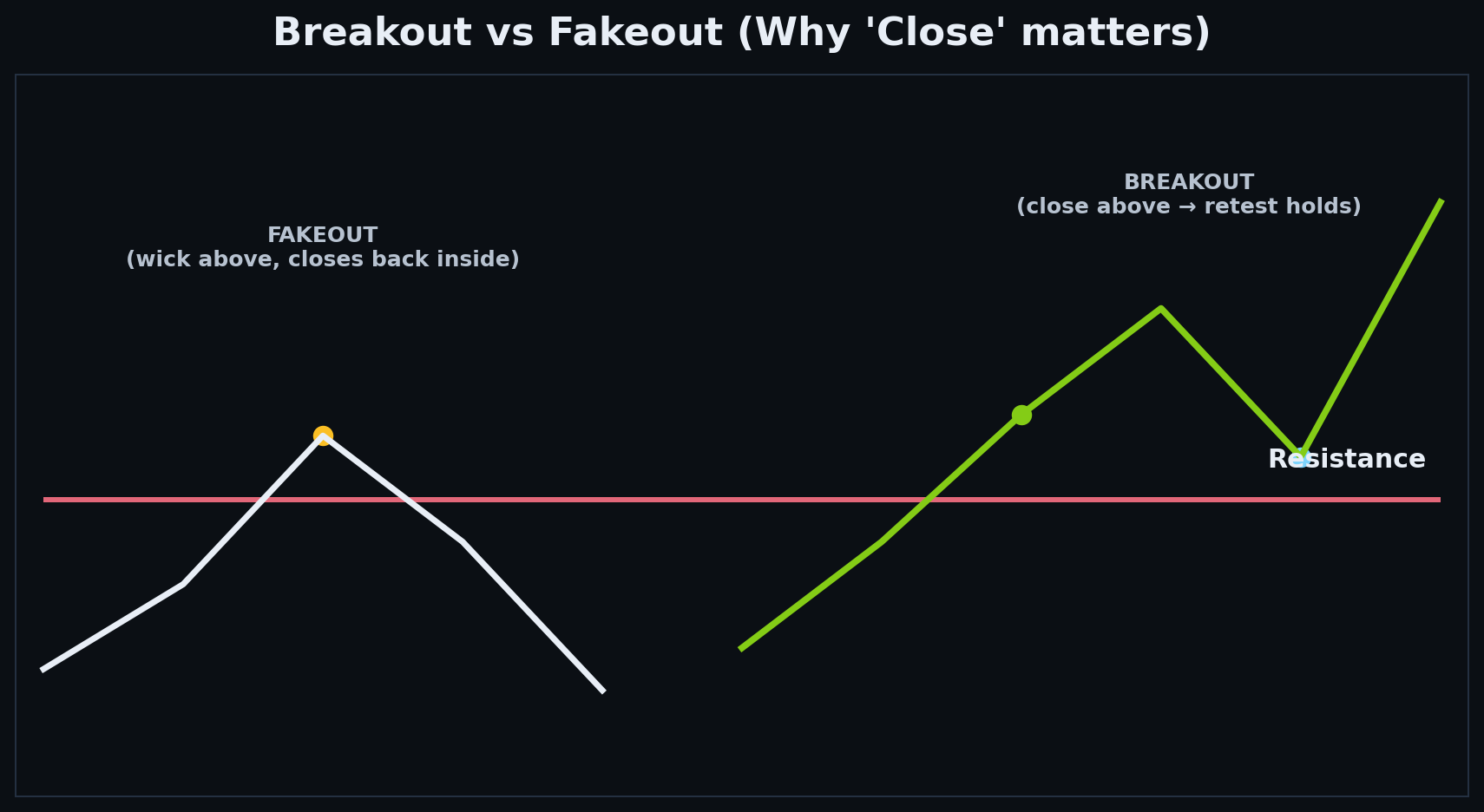
Breakouts & Fakeouts — How to Reduce Traps
A trader-grade breakout checklist: closes, acceptance, retests, and why most breakouts fail near obvious levels.
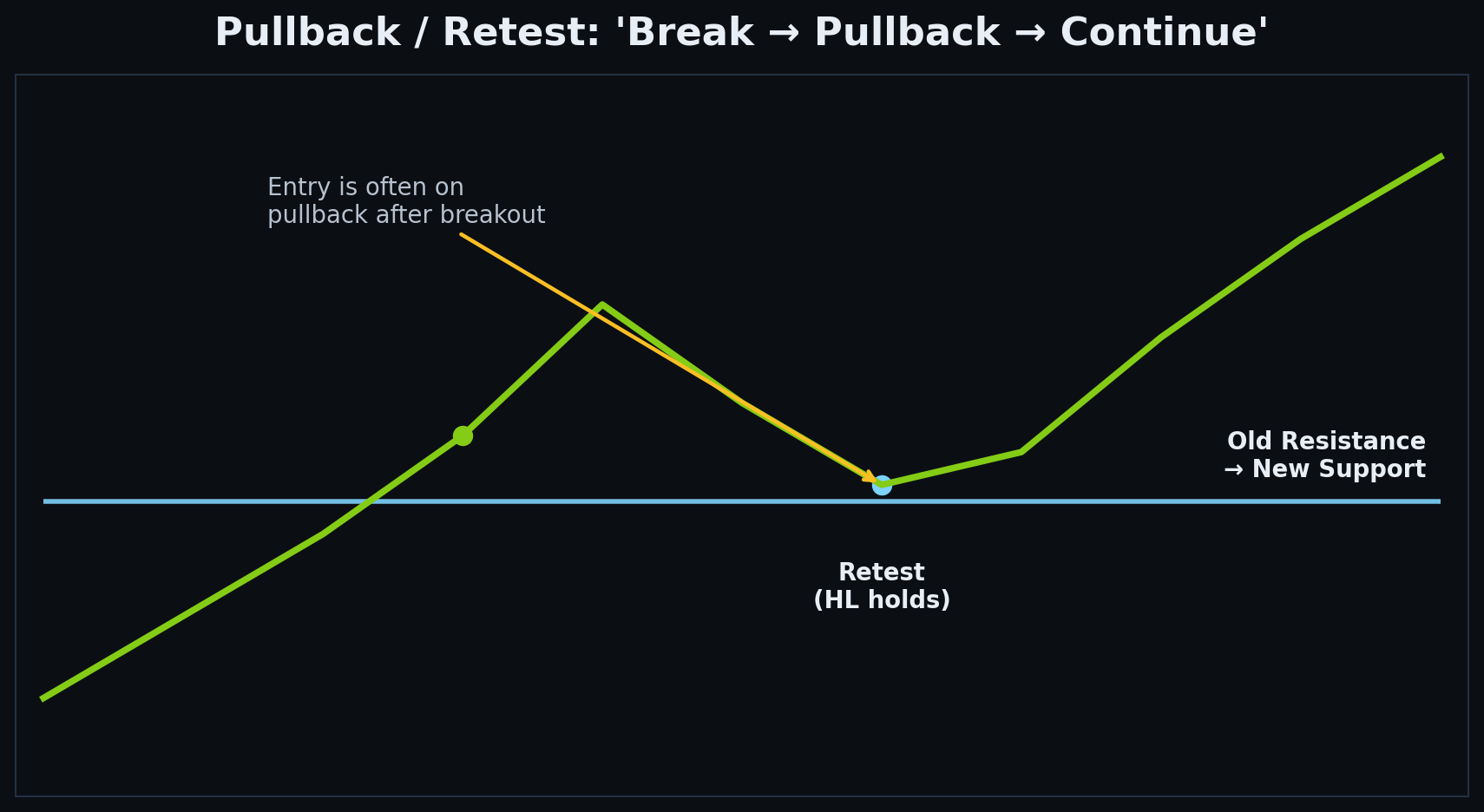
Pullbacks & Retests — Healthy vs Weak
How to interpret pullbacks after a move: higher-low structure, retest quality, and where most traders get chopped.
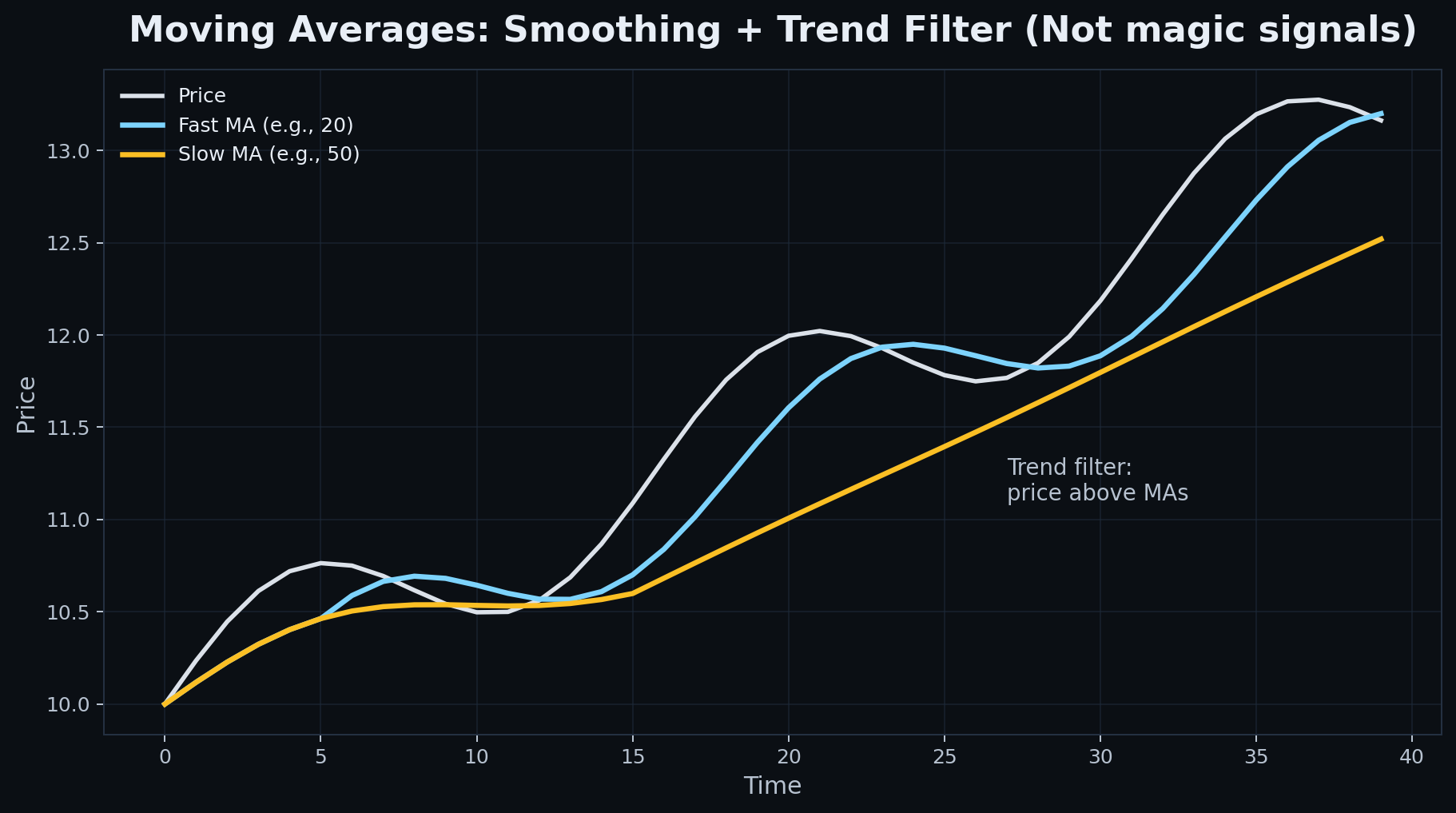
Moving Averages — Trend, Structure and Context
How moving averages help define trend regime, dynamic support and resistance, and chart context without being used as blind signals.

Volume and Price Action — Participation, Confirmation and Conviction
How traders use volume to confirm breakouts, continuation moves and reversals by understanding participation rather than treating volume spikes as signals.
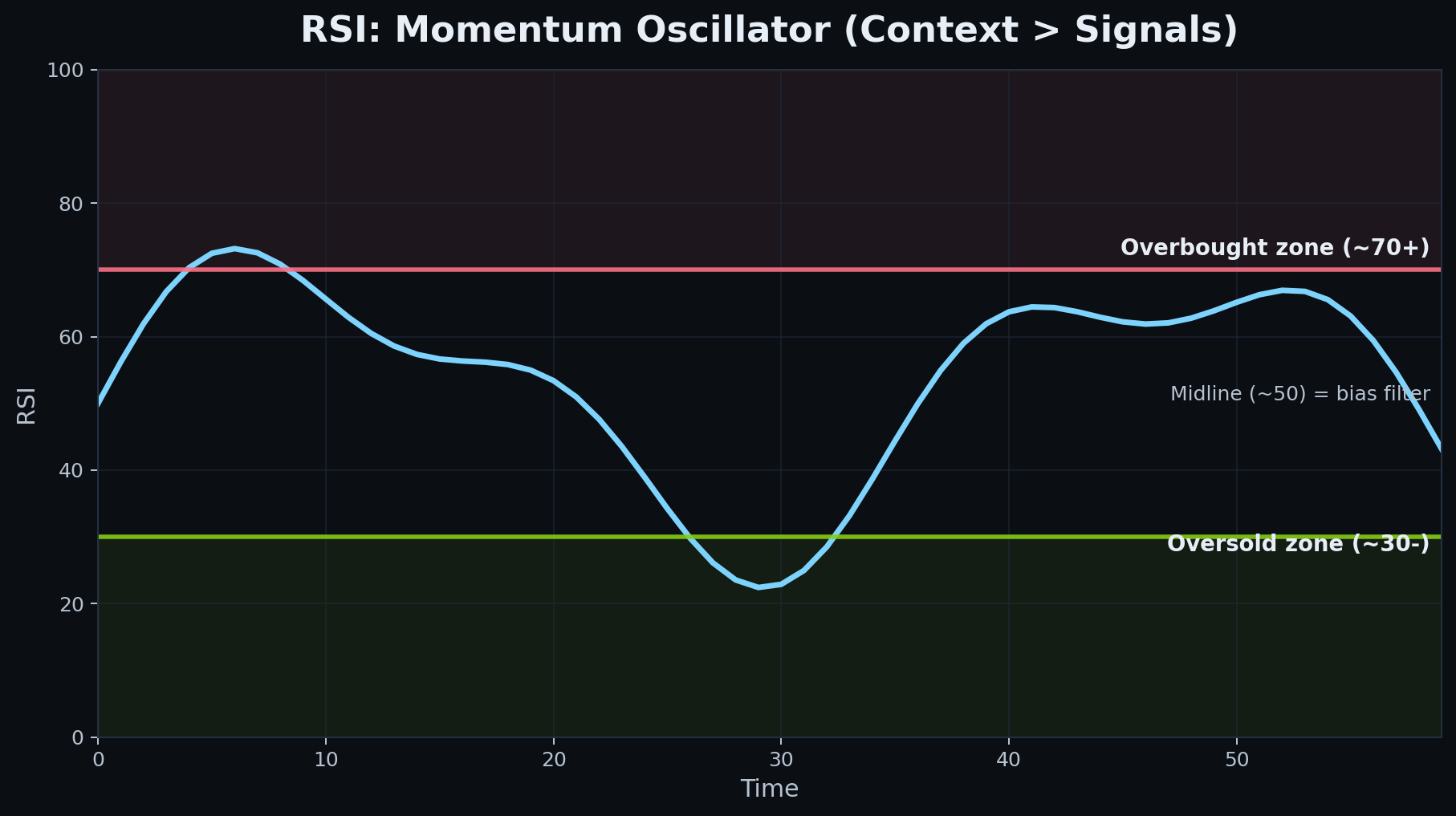
RSI Explained — Momentum, Context and Range Shifts
How traders use RSI to read momentum, trend ranges and divergence without treating overbought and oversold labels as automatic signals.
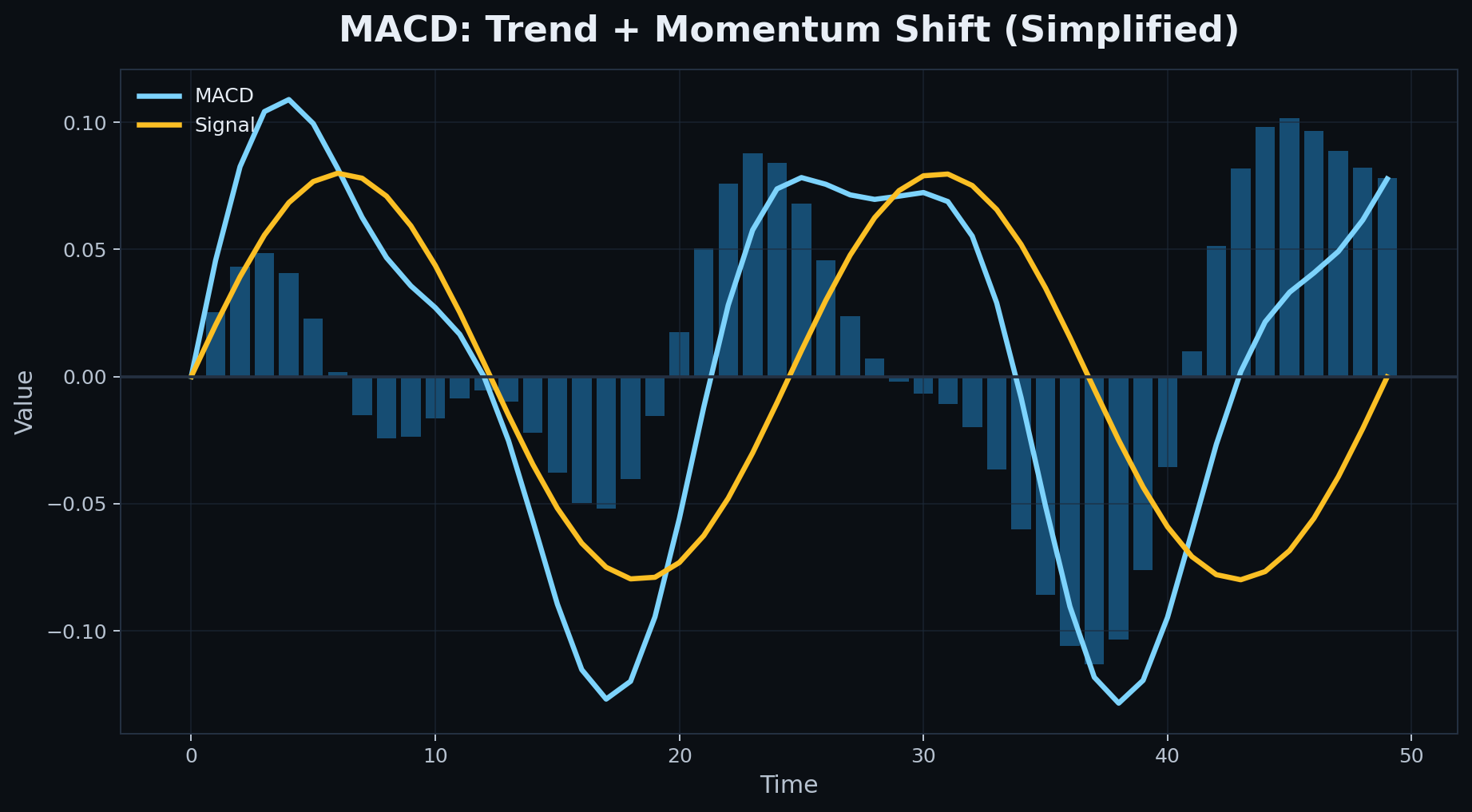
MACD Explained — Trend, Momentum and Confirmation
How traders use MACD to read momentum shifts, trend transitions and confirmation without treating every crossover as a stand-alone signal.
Candlesticks for Structure — Reading Acceptance and Rejection
How traders use candlesticks to read acceptance, rejection and structural context instead of memorizing endless pattern names.
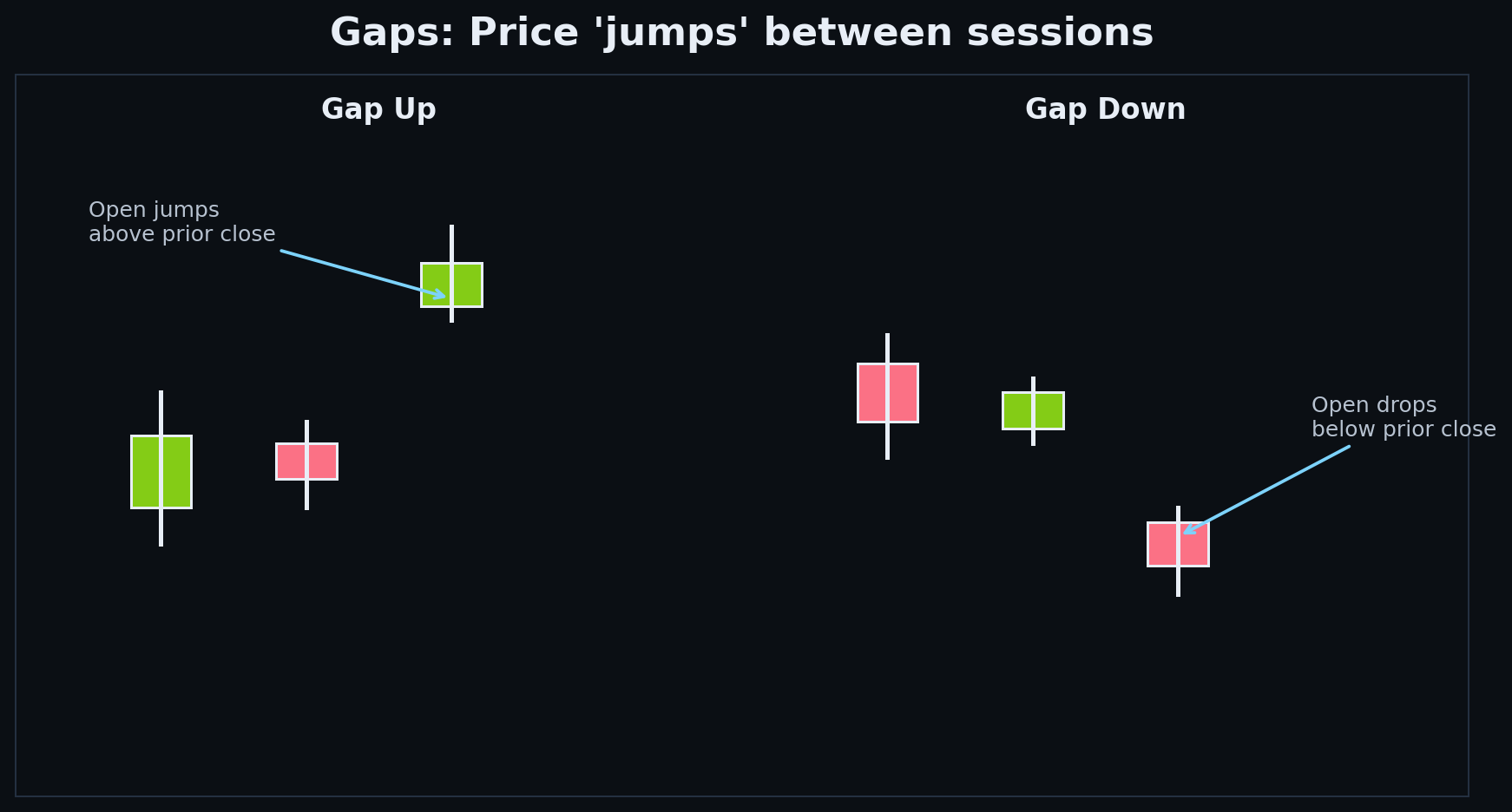
Gaps Explained — Imbalance, Reaction and Context
How traders interpret gaps as price imbalances, why they often behave like zones, and how gap holds, fills and failures change the chart narrative.
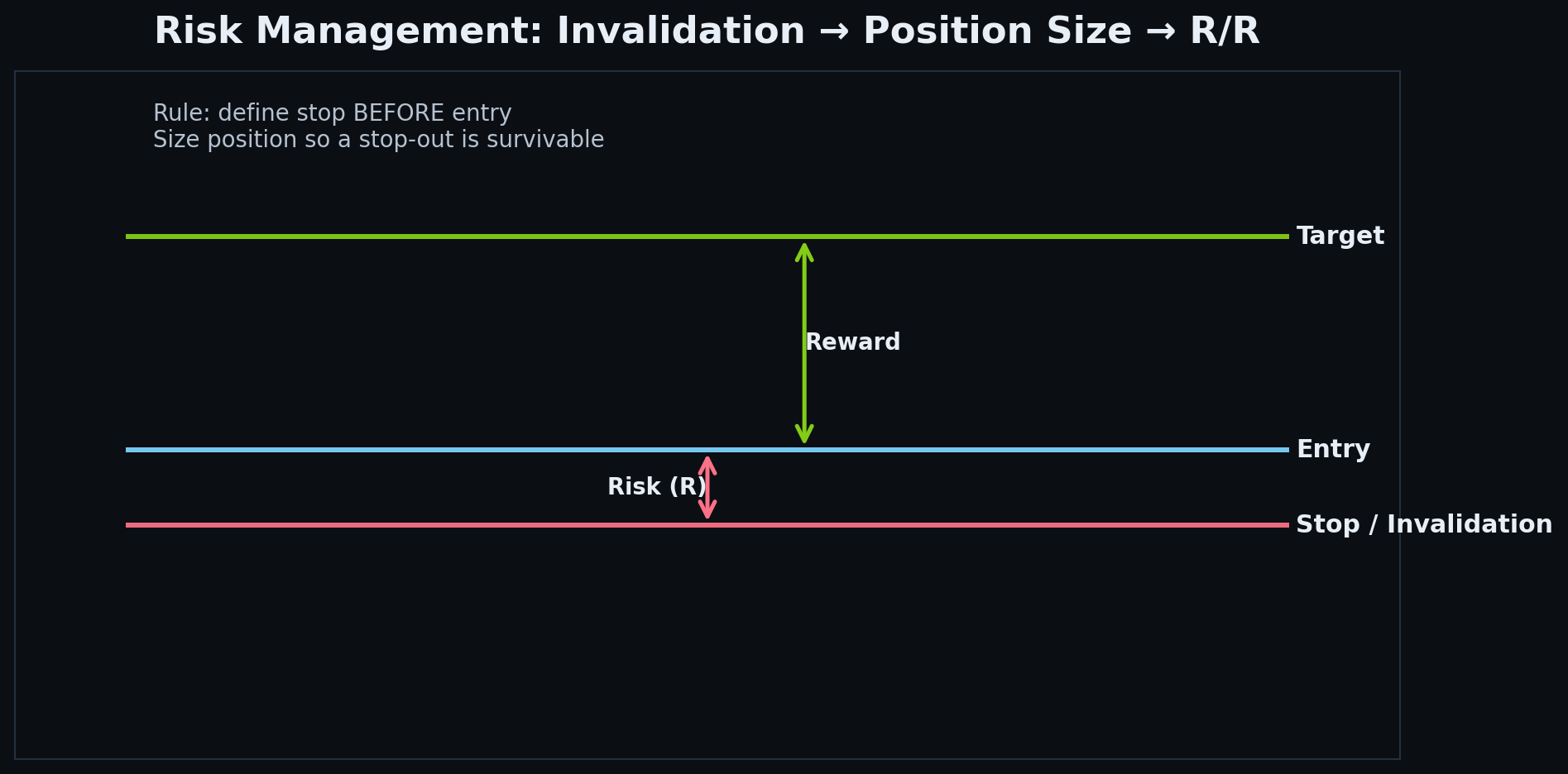
Risk Management — Protecting Capital First
A practical guide to position sizing, stop placement, risk-to-reward and expectancy so traders can survive losing streaks and compound good decisions over time.
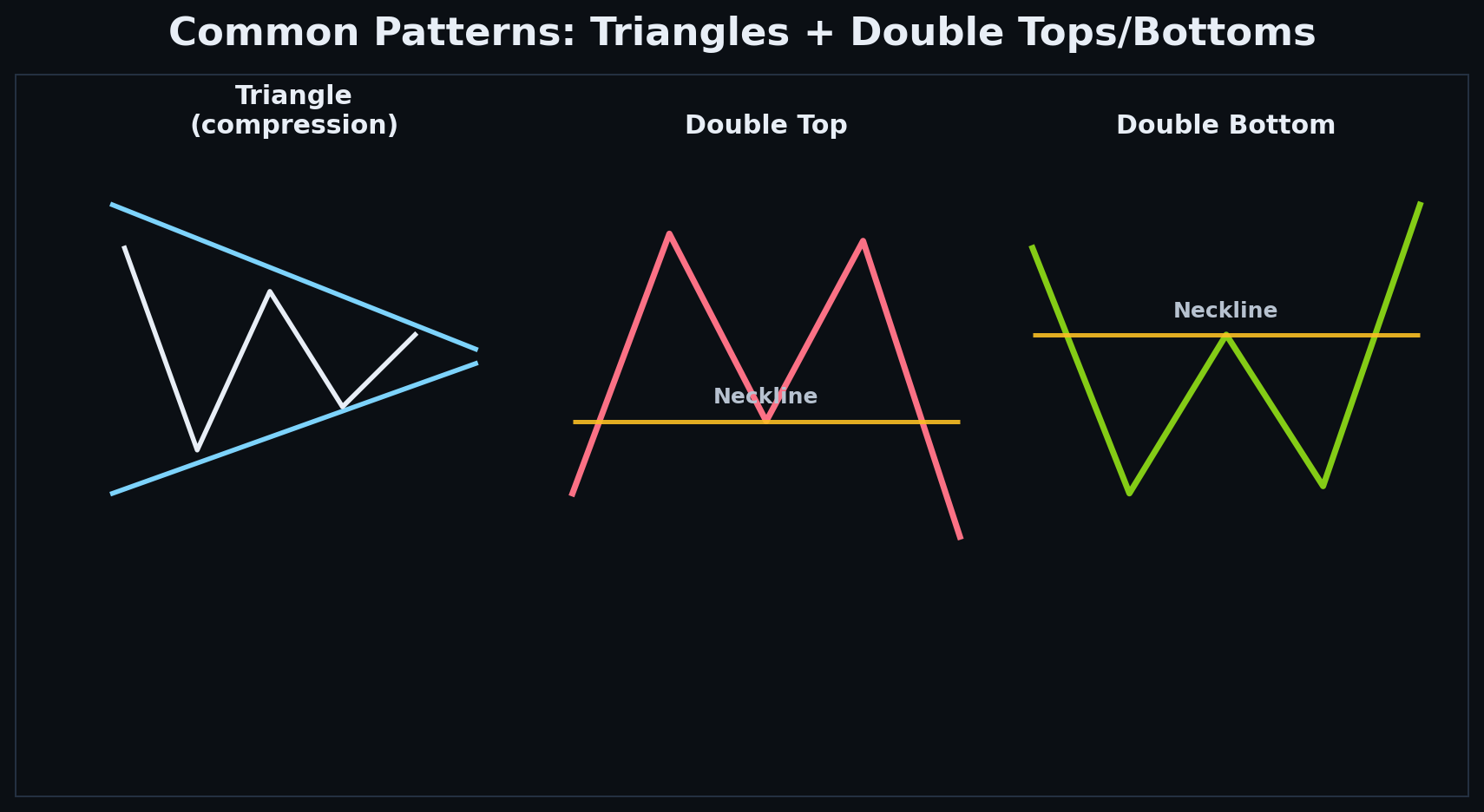
Technical Patterns Explained — Structures, Behavior and Breakouts
How traders evaluate chart patterns such as triangles, ranges and reversal structures and distinguish real setups from random shapes.
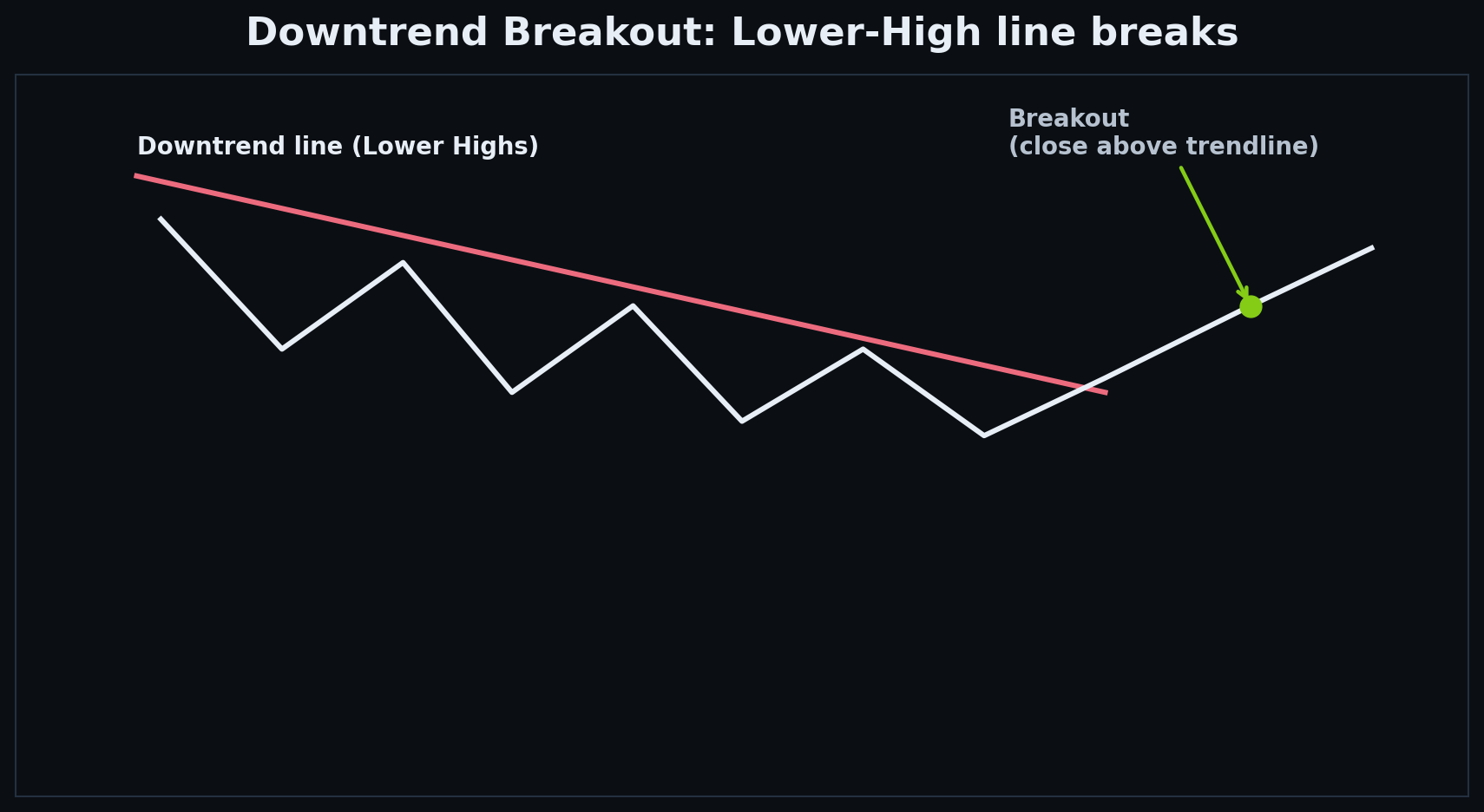
Downtrend Breakouts — Structure Shift and Acceptance
How traders evaluate breaks of falling structures and distinguish early structural shifts from late and weak breakouts.
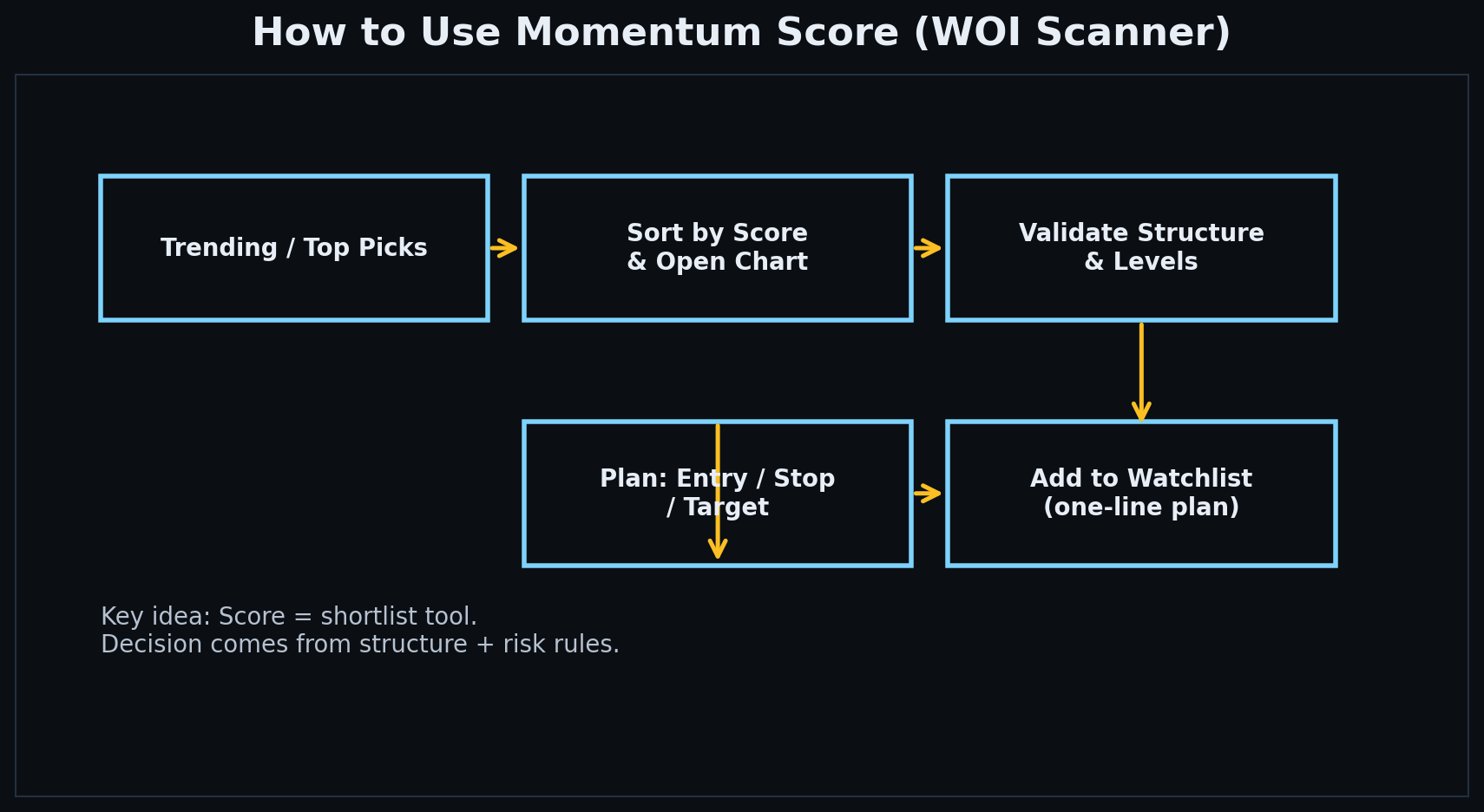
Momentum Score Explained (WOI Scanner)
How WOI momentum scoring helps prioritize charts and why it should be used as a filter rather than a signal.